
Facebook Twitter Instagram YouTube linkedin
info@BanuMusaGr.com
Login / Register
0 Wishlist
0 Compare
0 items / € 0.00
Facebook Twitter Instagram YouTube linkedin
BanuMusa R&D BanuMusa R&D
  • Consulting Services
  • Products
  • Resources
    • Blog
    • Projects
  • About Us
    • Contact Us
    • Our Team
    • Our Partners
    • Careers
Free Mentoring
Menu
BanuMusa R&D
0 items / € 0.00
Anisotropy Calculator Abaqus plugin for sheet metal forming material models
HomeShopAbaqusAbaqus Plug-ins Anisotropy Calculator Abaqus Plugin
Previous product
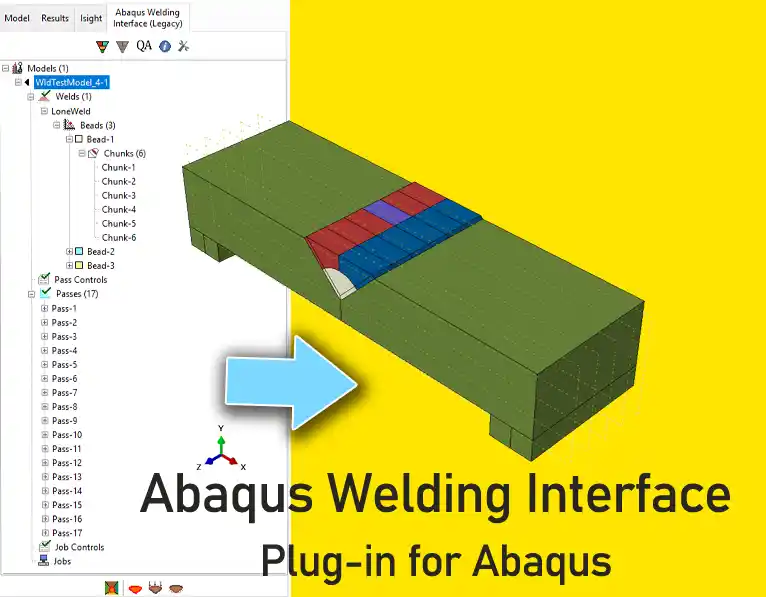
awi plugin - abaqus welding interface plugin - welding fea simulation - cae - simulia -qustomapps
Abaqus Welding Interface Plugin € 55.00
Back to products
Next product
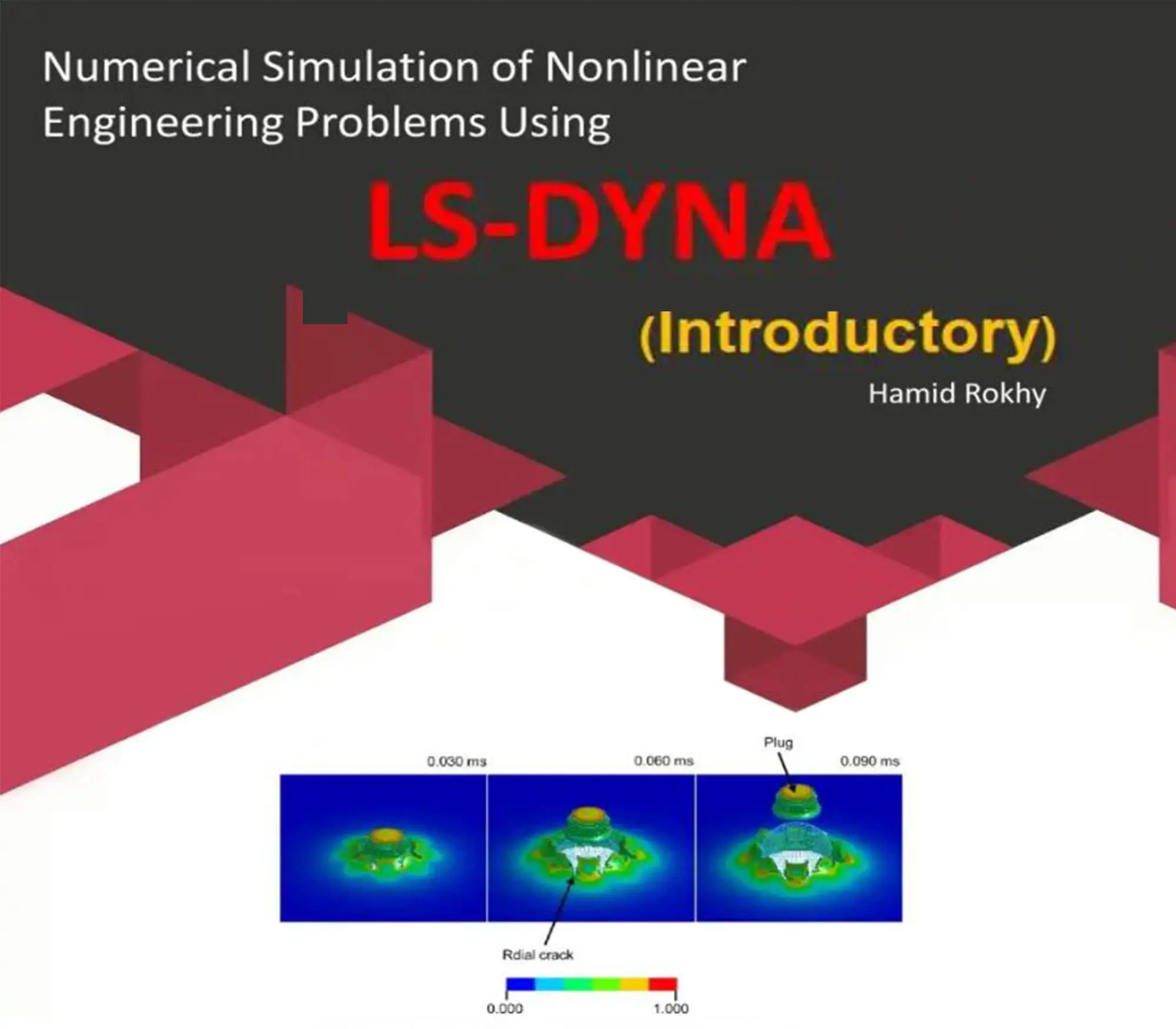
Numerical Simulation of Nonlinear Engineering Problems Using LS-DYNA book by Hamid Rokhi Banumusa
LS-DYNA Book: Numerical Simulation of Nonlinear Engineering Problems Using LS-DYNA € 410.00

Anisotropy Calculator Abaqus Plugin

€ 190.00

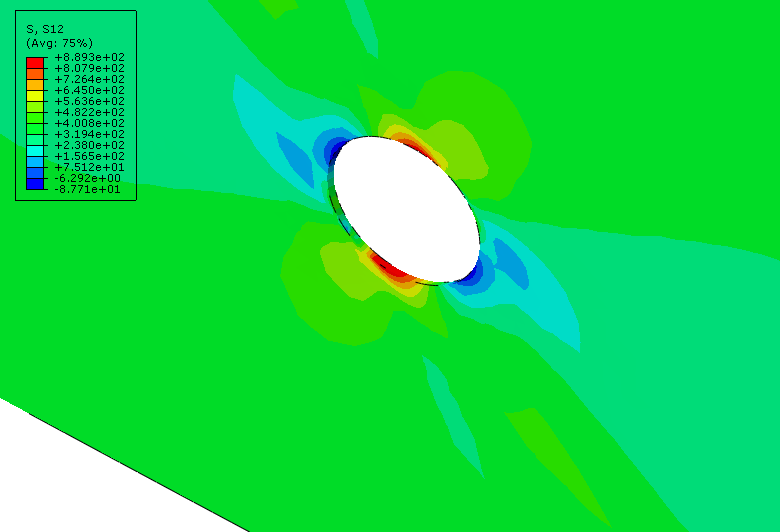
The Anisotropy Calculator Abaqus Plugin is a specialized tool designed to simplify the calculation of anisotropic parameters for materials used in Abaqus simulations, especially in sheet metal forming. This plugin assists users in defining accurate anisotropy parameters, enhancing simulation precision by accounting for material behaviors that vary with direction.

Documentation (PDF/HTML)
Abaqus plugin files (*.RAR)
Abaqus workshop files

somdn_product_page
Compare
Add to wishlist
SKU: 2024-19 Categories: Abaqus, Abaqus Plug-ins
Share
Facebook Twitter Email Pinterest linkedin Odnoklassniki WhatsApp WhatsApp VK Telegram
close
technical support by banumusa
We are ready to help you do CFD & FEA simulations.
Need help?
Get a consultation from our experts.

Email: info@banumusagr.com
Telegram: +98-915-55-20-388
WeChat: +98-915-55-20-388
WhatsApp: +98-915-55-20-388
Categories
  • Description
  • Additional information
  • Reviews (0)
  • Payment & Support
  • Content
Description

Anisotropy Calculator Abaqus Plugin

Using the Anisotropy Calculator Abaqus Plugin helps optimize simulation outcomes in Abaqus, ensuring that material behaviors in various directions are accurately represented. This leads to improved predictions in processes where anisotropy plays a crucial role, offering more reliable insights and contributing to better-informed engineering decisions.

This plugin is a valuable tool for engineers and researchers seeking to improve accuracy in metal forming simulations, bringing both efficiency and precision to their Abaqus workflows.

Anisotropy Calculator – Overview

Anisotropy in metals often arises during cold working due to the reorientation of their microstructure. Accurately defining this characteristic is crucial for improving the precision of results, particularly in simulations of sheet metal forming. For this purpose, obtaining reliable anisotropic parameters is essential. Various researchers, including Hill, Barlat, and Banabic, have developed mathematical models to describe anisotropic behavior. Some models are better suited for normal anisotropy, while others are optimal for planar anisotropy, with the chosen model significantly influencing the final simulation outcomes.

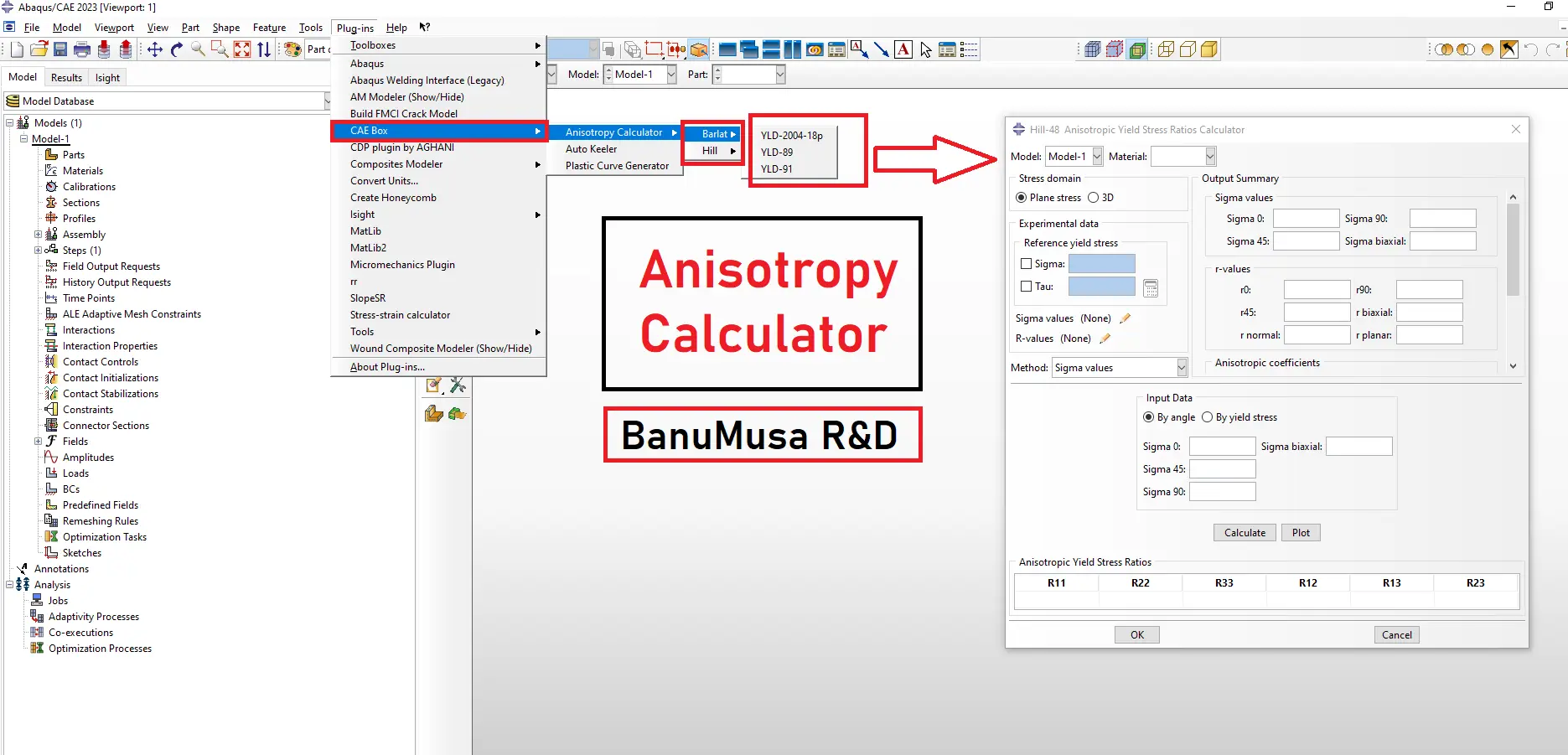
The Anisotropy Calculator plug-in (see Abaqus plugin database) simplifies calculating these parameters. It supports multiple established anisotropy laws, allowing users to calculate parameters using standard experimental data. The plug-in includes:

1. Banabic-2005

The Banabic-2005 criterion is a yield function that extends previous anisotropy models to provide a better fit for materials with complex anisotropic behavior, particularly for aluminum alloys. Developed by Dorel Banabic, this model is especially effective in describing anisotropy in automotive sheet metals, offering high accuracy in cases where other models might fall short.

2. Barlat-2005 (YLD-2004-18P)

Known as YLD2004-18p, this model by Barlat and co-authors is a sophisticated anisotropic yield criterion designed for aluminum alloy sheets. It offers a good balance between computational efficiency and accuracy in capturing complex anisotropy. The “18P” in the name refers to the 18 parameters that the model requires, making it flexible but complex. It is widely used in the automotive industry for materials that show strong directional dependency in their properties.

3. Barlat-89

The Barlat-1989 model, often called Barlat89, is one of the earlier anisotropic yield criteria and uses six parameters to represent anisotropy in metal sheets. This model is particularly well-suited for metals with a lower degree of anisotropy and was one of the first to improve upon earlier isotropic models, offering a more realistic representation of material behavior in sheet metal forming.

4. Barlat-91

  • The Barlat-1991 criterion is an evolution of the Barlat-89 model and includes eight parameters to capture anisotropy in materials. It was created to better handle complex anisotropic behavior, especially in aluminum and steel sheets used in automotive applications. This model provides more accuracy than Barlat-89 in cases where additional detail is required.

5. Hill-48

  • The Hill-1948 yield criterion, also known as Hill48, was one of the first widely accepted anisotropic models and has been commonly used for metals with a moderate degree of anisotropy. It uses a quadratic yield function that depends on a few parameters, making it easy to implement but less accurate for materials with high anisotropy. It is still used today for its simplicity and relatively low computational cost.

6. Hill-90

  • The Hill-1990 criterion is an improvement over the Hill-48 model, incorporating additional parameters to capture anisotropic behaviors more accurately. This model is also quadratic and is used for materials with directional properties, like rolled sheets. It provides more flexibility than Hill-48 in capturing anisotropy in materials that have been processed to alter their grain structure.

7. Hill-93

The Hill-1993 criterion further refines Hill-90 by adding more parameters, allowing it to capture even more complex forms of anisotropy. Hill93 is especially useful for materials with very distinct directional dependencies and can be more computationally intensive than Hill-48 and Hill-90 due to its added complexity. It is suitable for advanced simulations in applications like automotive and aerospace, where material anisotropy plays a crucial role.

The Anisotropy Calculator makes selecting the most accurate model for each scenario easier, enabling more dependable simulation results for industrial applications.

  • Easy Parameter Calculation: Users can input typical experimental data, and the plugin automatically calculates the corresponding anisotropic parameters, eliminating manual calculation and reducing error risk.
  • Improved Simulation Accuracy: By leveraging accurate anisotropic parameters, this plugin enhances the precision of simulation results, which is especially critical in applications like sheet metal forming where directional properties impact material deformation.
ModelDeveloperPrimary Use CasesComplexity (Parameters)Key Application
Banabic-2005BanabicComplex anisotropy (aluminum alloys)ModerateAutomotive
Barlat-2005 (YLD-2004-18P)Barlat et al.High anisotropy, especially aluminumHigh (18 parameters)Automotive
Barlat-89BarlatLow to moderate anisotropyLow (6 parameters)General metals
Barlat-91BarlatComplex anisotropyModerate (8 parameters)Automotive
Hill-48HillModerate anisotropyLowGeneral metals
Hill-90HillComplex anisotropyModerateSheet forming
Hill-93HillHigh anisotropyHighAerospace, automotive

Anisotropic yield criteria

Anisotropic yield criteria are mathematical formulations that describe how materials yield (or start to deform plastically) when subjected to stresses in different directions. Each model was developed to address different types of anisotropic behaviors, commonly observed in metals due to cold working or rolling, which aligns their grain structure in specific directions.

Abaqus Workshops/ Examples

The plugin has 4 examples.

  • Example: Banabic-2005
  • Example: Barlat-2005 (YLD-2004-18P)
  • Example: Barlat-91
  • Example: Hill-48

anisotropy calculator abaqus pluginInstalling The Plugin

Extract the contents of the zip folder into a subdirectory of the abaqus_plugins folder, which can either be located in the

  • abaqus_dircodepythonlibabaqus_plugins where abaqus_dir is the Abaqus parent directory or,
  • home directory (in which case the plugin will be available whenever Abaqus is run) or,
  • within the current working directory of your Abaqus/CAE session.

Compatibility

The Abaqus plugin is designed to be compatible with all Abaqus/CAE versions including Abaqus 24 and Python 3.

Updates

Version 2024

Who this plugin is for:

  • Engineering or science students and professionals who work in the metal sheet forming
  • Advanced students, Ph.D. students, or researchers for their Abaqus FEA projects
  • Any Abaqus Application Engineer who is involved with various daily simulation projects

What you’ll gain

  • You will be able to simulate and calibrate anisotropy metal material models in Abaqus in much less time.
We are ready to help you do CFD & FEA simulations.

Need help? Get a consultation from our experts.

Abaqus E-learning technical FEA & CFD consulting by banumusa FEA & CFD Consultancy Services Abaqus Ansys LS-Dyna user subroutine plugin FEA and CFD consultancy Abaqus consultancy services Technical Abaqus mentoring fluent cfd services ls-dyna consultancy services ansys consultancy services comsol consultancy services
Email us: info@banumusagr.com
Telegram: +98-915-55-20-388
WhatsApp: +98-915-55-20-388

Find Us on WeChat

wechat banumusa company ویچت
Additional information
Software

Abaqus FEA

Type

Abaqus Plugin

Level

Advanced

Files

Abaqus files: *.rar
Documentation: PDF/HTML
Workshops: PDF

Language

English

Category

Metal forming

Solver

Explicit, Standard

Material

Metals

Reviews (0)

Reviews

There are no reviews yet.

Be the first to review “Anisotropy Calculator Abaqus Plugin” Cancel reply

You must be logged in to post a review.

Payment & Support

Satisfaction Guarantee & Instant Access

All products available on the BanuMusa R&D website come with a guarantee of customer satisfaction. You will receive an automated download link immediately after your purchase is processed. We also provide online consulting and mentoring to ensure you get the absolute most out of our engineering products.

Before buying, you can consult with our technical experts to ensure the product perfectly aligns with your project requirements.

Secure Payment Methods

Cryptocurrency (Fastest)

The easiest way to pay is through the Tether portal in our shop using your wallet. The download link will be generated automatically.

  • Tether (USDT) - TRC20
  • Tron (TRX)
Video Tutorials:
  • How to pay using USDT TRC-20
  • Tron TRC20 Wallet Tutorial

International e-Wallets

We support major digital wallets. Once your manual payment is verified, we will email you the download links.

  • Payoneer: Contact us to receive the payment address.
  • PayPal: Contact us for our official account.
  • PAYEER: Contact us for instructions.
  • WebMoney: Contact us for our WMZ wallet address.

Bank Transfer (SWIFT)

For corporate clients or large engineering software orders, we accept direct wire transfers.

Please contact our support team to receive our official SWIFT/IBAN banking details and a Proforma Invoice.

Need Help with Payment? Contact Us

If you cannot use the direct Tether gateway or need our payment details (PayPal, Payoneer, SWIFT, etc.), simply send us the product link via email or our social networks.

  • +98-915-5520-388 (WhatsApp, Telegram, WeChat)
  • info@banumusagr.com
  • +98-51-35424520
Content

Contents

  • Abaqus plugin files: *.rar
  • Abaqus workshop files: -
  • Documentation: PDF/HTML
  • Workshops: *.txt

You may also like…

-10%
larc05-abaqus-failure-criteria-composite-analysis
damage-larc05-abaqus4
Compare
Quick view
Add to wishlist
Close

Abaqus Tutorial: LaRC05 Failure Criterion For Fiber-Reinforced Composites

Rated 5.00 out of 5
€ 110.00 Original price was: € 110.00.€ 99.00Current price is: € 99.00.
Add to cart
Micromechanics Plugin for Abaqus
Compare
Quick view
Add to wishlist
Close

Micromechanics Plugin for Abaqus

€ 0.00
View
-50%
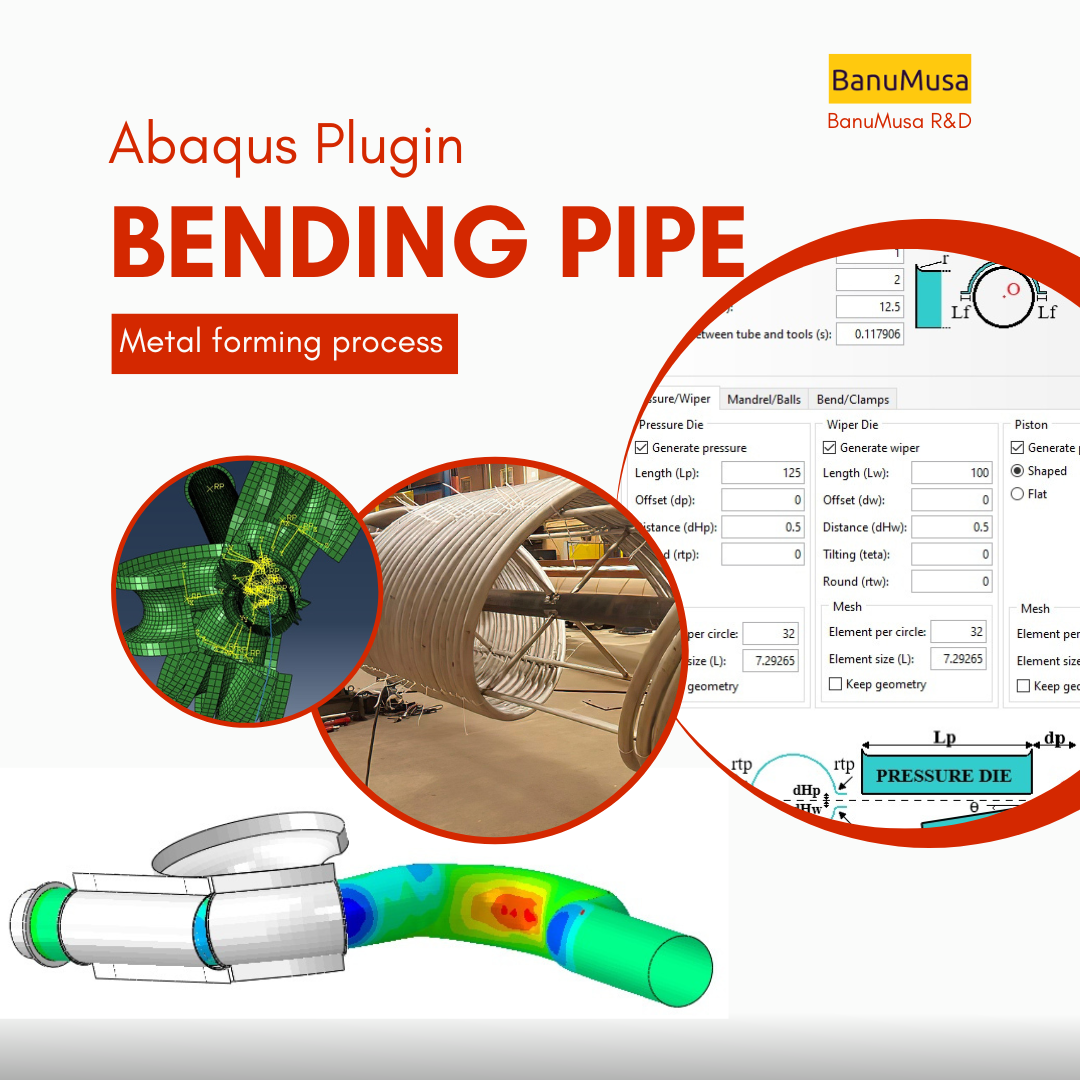
Bending Pipe plugin interface acting as an advanced pipeline modeling software in Abaqus
Compare
Quick view
Add to wishlist
Close

Bending Pipe Plugin for Abaqus

€ 1,365.79 Original price was: € 1,365.79.€ 685.00Current price is: € 685.00.
Add to cart
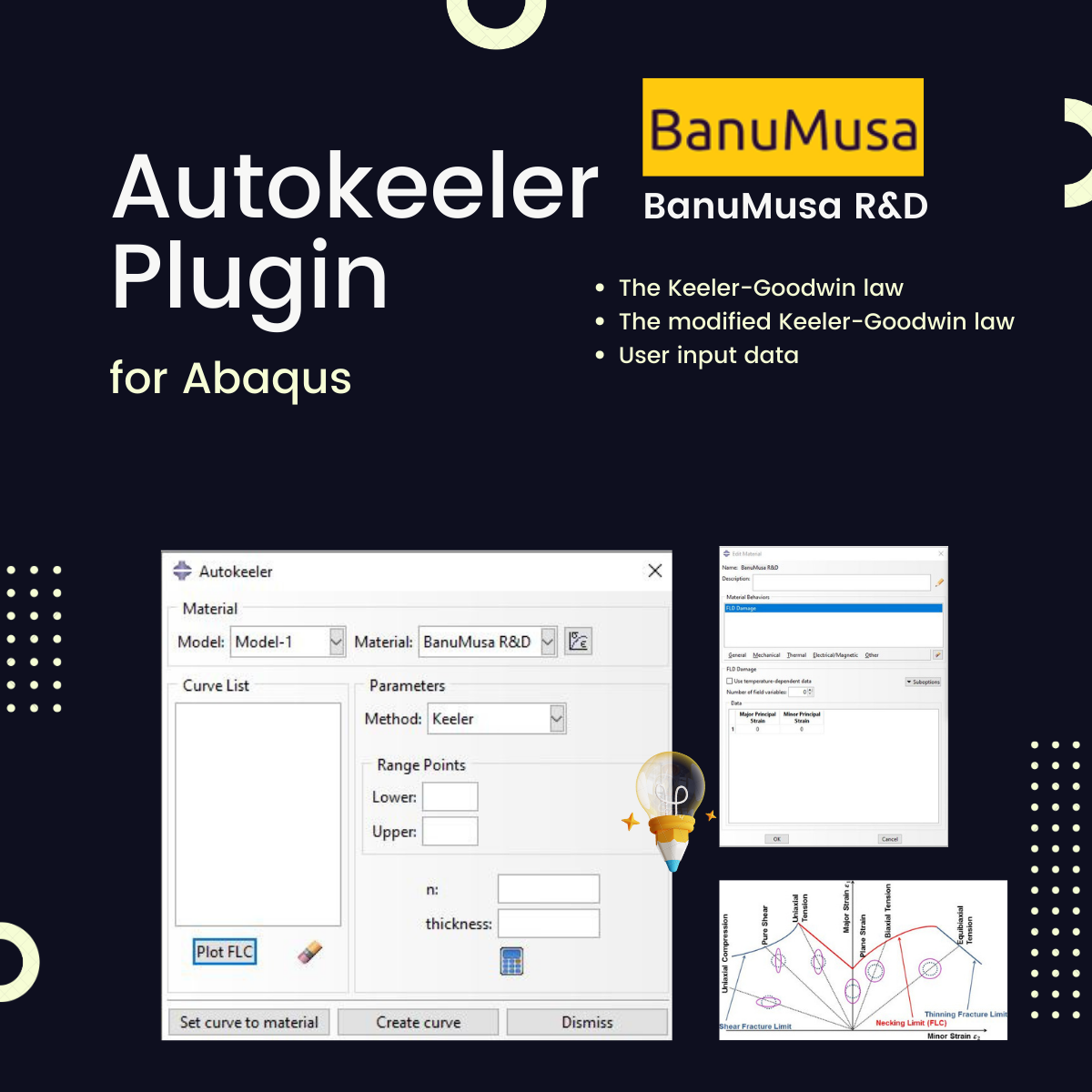
Autokeeler plugin generating Forming Limit Curves (FLC) and FLD in Abaqus
Compare
Quick view
Add to wishlist
Close

Autokeeler Plugin for Abaqus: FLC & FLD Generator

€ 0.00
View

Related products

Save Multiple Animations Plugin for Abaqus
Compare
Quick view
Add to wishlist
Close

Save Multiple Animations Plugin for Abaqus

€ 0.00
View
Plastic Curve Generator plugin converting stress-strain data in Abaqus
Compare
Quick view
Add to wishlist
Close

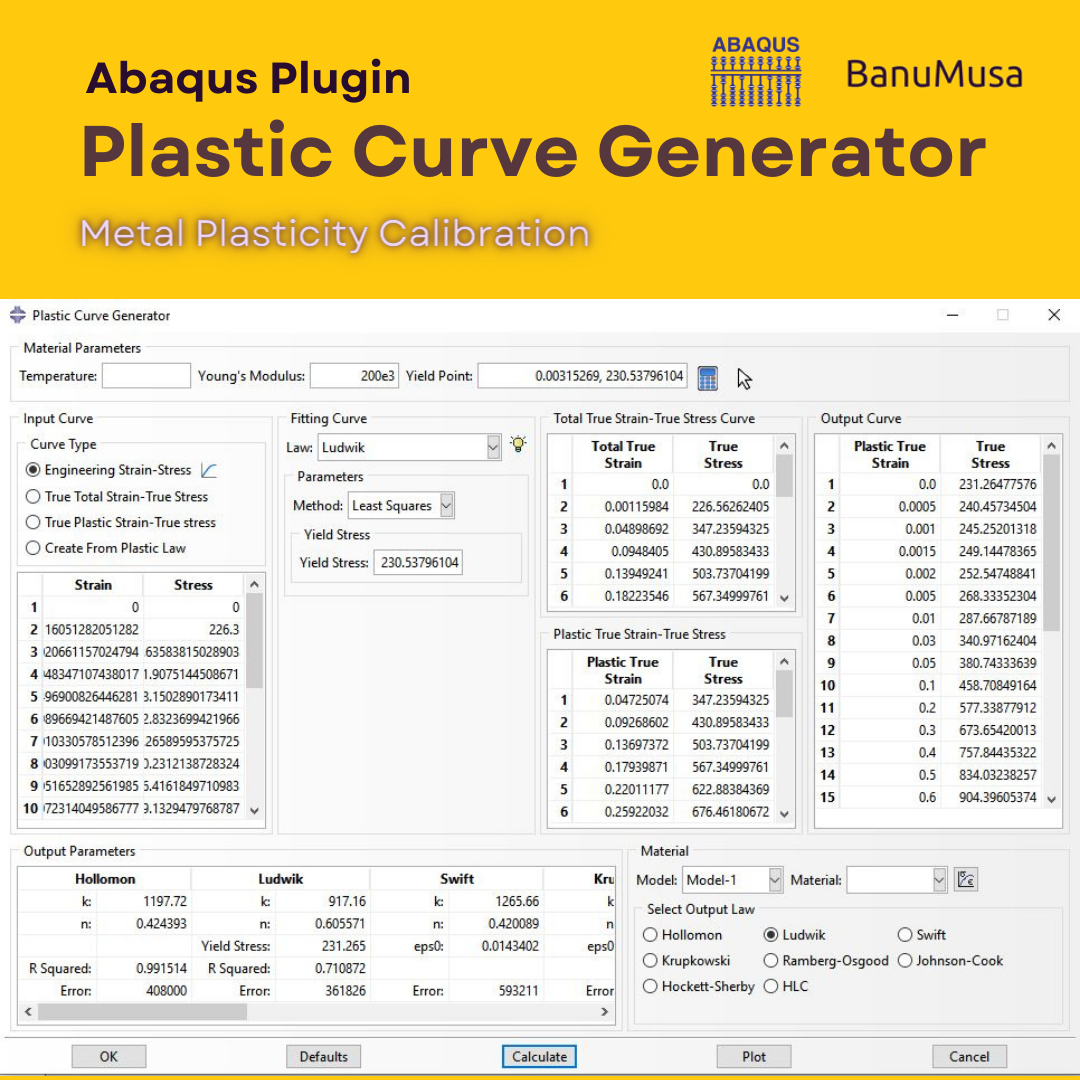
Plastic Curve Generator Plugin for Abaqus

€ 163.05
Add to cart
Multiple Step Analysis in Abaqus -tutorial- banumusa-
Compare
Quick view
Add to wishlist
Close

ABAQUS Tutorial: Multiple Step Analysis

Rated 5.00 out of 5
€ 65.00
Add to cart
-4%
USDFLD Subroutine 3D Hashin
Compare
Quick view
Add to wishlist
Close

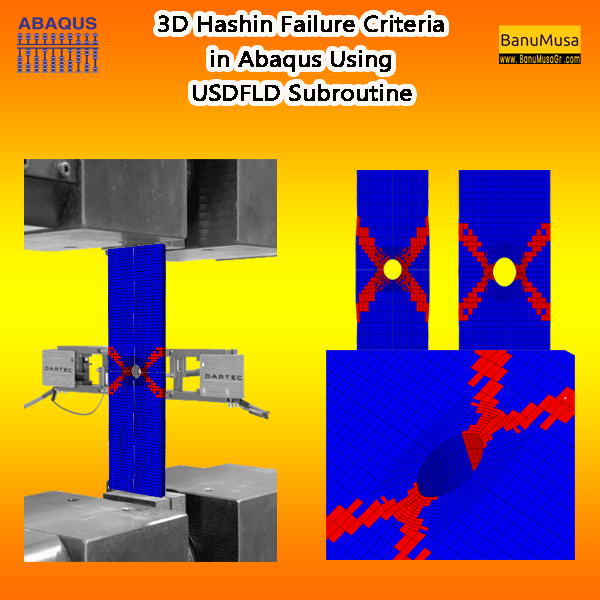
3D Hashin USDFLD Subroutine Failure Criteria for Abaqus

€ 124.00 Original price was: € 124.00.€ 119.00Current price is: € 119.00.
Add to cart
Calibrate Nitinol Material Behavior Abaqus Plugin free download
Compare
Quick view
Add to wishlist
Close

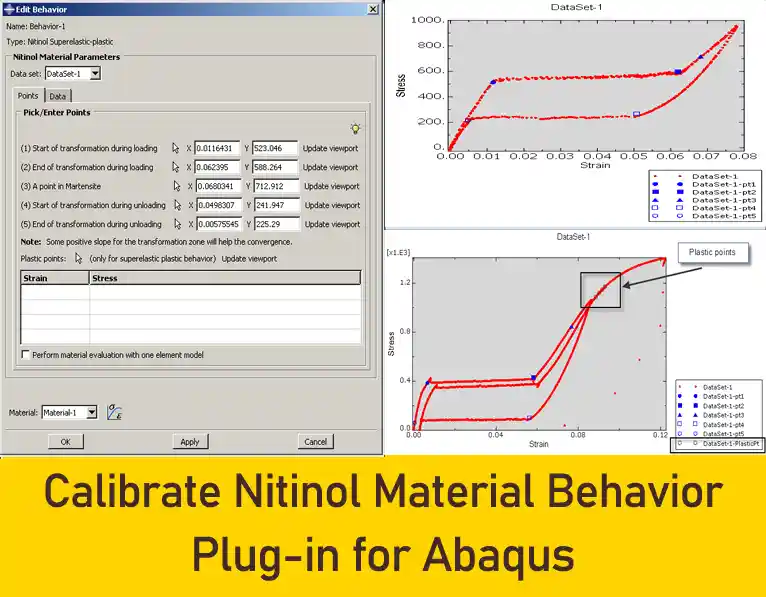
Calibrate Nitinol Material Behavior: Free Abaqus Plugin

€ 0.00
View
Coupled thermal stress analysis
Hongqi-CA7220-AE_abaqus-Coupled Thermal Stress Analysis of Automotive Disc Brake Validation Tutorial
Compare
Quick view
Add to wishlist
Close

Coupled Thermal Stress Analysis of Automotive Disc Brake: A Complete Validation Tutorial

€ 175.00
Add to cart
Fitness-for-Service Analysis with Abaqus Course - ffs abaqus - ffs analysis
Level 3 assessment abaqus ffs analysis banumusa
Compare
Quick view
Add to wishlist
Close

Fitness-for-Service Analysis with Abaqus Course

€ 550.00
Add to cart
Fortran for Abaqus Subroutine - writing user subroutines udhard umat film uload
Compare
Quick view
Add to wishlist
Close

Fortran for Abaqus Subroutine

€ 255.00
Add to cart

Tag your photos with #anisotropy_calculator_plugin on Instagram.

BanuMusa R&D Simulation Consultancy

Bridging the gap between theoretical engineering and manufacturing reality. We provide high-fidelity FEA, CFD, and specialized Abaqus plugins to eliminate trial-and-error in critical industrial sectors.

Capabilities

  • FEA Consultancy
  • CFD Simulation
  • API 579 FFS Assessment
  • ASME Design by Analysis
  • Composite & COPV

Flagship Utilities

  • MatLib Material Database
  • WCM Plugin (COPV)
  • 3D Hashin VUMAT
  • Autokeeler (Metal Forming)
  • Johnson-Cook Plugin

Support & Resources

  • 40% Academic Discount
  • 1-on-1 Abaqus Mentoring
  • Advanced CAE Courses
info@banumusagr.com
06-02 Park View condo, Changkat perak, off Lorong Perak, 50250, Kuala Lumpur, Selangor, Malaysia
Accepted Payments
© 2026 BanuMusa R&D. Engineering Simulation & Automation. All rights reserved.
Support & FAQ Payment Methods Privacy Policy Terms of Service

Shopping cart

close

Powered by WhatsApp Chat

  • Menu
  • Categories
  • Consulting Services
  • Products
  • Resources
    • Blog
    • Projects
  • About Us
    • Contact Us
    • Our Team
    • Our Partners
    • Careers
  • Consulting Services
  • Products
  • Resources
    • Blog
    • Projects
  • About Us
    • Contact Us
    • Our Team
    • Our Partners
    • Careers

Sign in

close


Lost your password?
No account yet? Create an Account
Sidebar Scroll To Top